
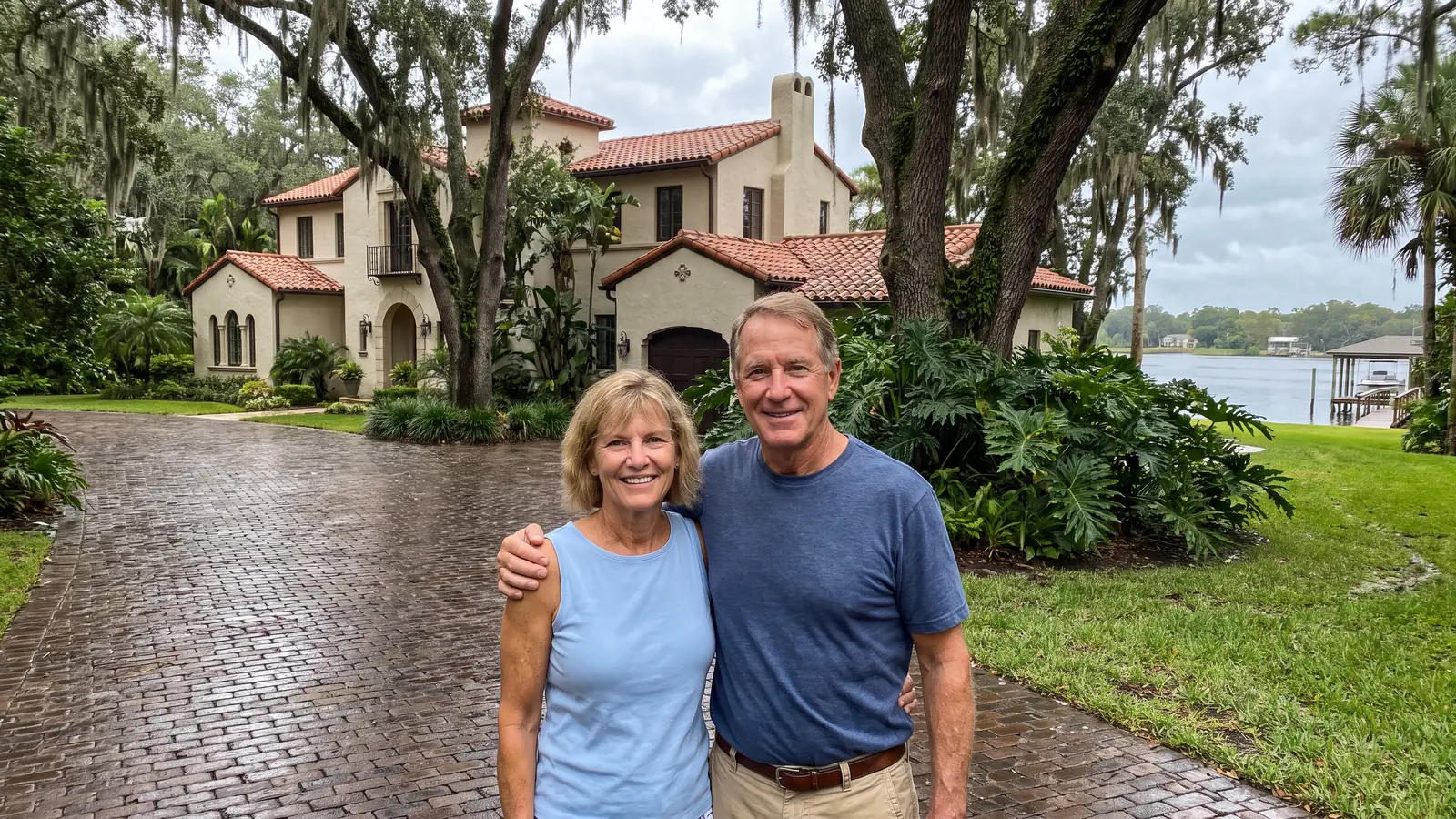
Paver sealing for San Marco homes
Paver Sealing in San Marco, FL
San Marco brick and paver courtyards can look cared for again, so call (904) 567-0456 for a free estimate.
- Brings out deeper paver color
- Fresh joint sand helps lock pavers in place
- Gives weeds less room to grow
- Makes the surface easier to keep clean
- Free estimate, no obligation
Request a Free Estimate
Free, no obligation.
Fast, careful paver sealing in San Marco
Paver sealing is available in San Marco, from the brick courtyards near the Square to the driveways on the winding streets nearby. A local contractor cleans, re-sands and seals pavers and brick, and the estimate is free. Request a quote through request your free estimate, and an answer arrives within 1 business day, usually sooner than that.
Old brick and pavers collect a lot under live oaks, and San Marco has plenty of them. Think of a courtyard gone dark with algae, or a front walk with sand missing and moss in the cracks. A careful clean and the right sealer make those surfaces look kept again, and a call to (904) 567-0456 will tell you what that means for yours.
Why hire a local paver sealing contractor in San Marco?
San Marco homes date to the 1920s and later, with old brick, shaded courtyards and tight lots that call for a careful hand. To talk through your property, request your free estimate and ask for a free estimate. A local contractor is used to old brick and shady yards.
A free look, no pressure
A contractor studies your San Marco brick or pavers and quotes a price at no charge. You owe nothing if you wait.
A range you can hold up
Northeast Florida companies commonly publish $1.75 to $3.25 per square foot to clean, sand and seal. Brick and stone can price differently.
The right product for old brick
Old clay brick often wants a breathable product, so ask which type is planned for your San Marco surface and why it was chosen.
Your choice, always
You choose the finish and the day, and you may say no. A San Marco estimate comes with no obligation.
Get Your Free Estimate in San Marco
Tell us about your pavers in San Marco.
Free, no obligation
What paver problems show up most in San Marco?
Old clay brick needs room to breathe
A Northeast Florida paver company says old clay brick needs a breathable, penetrating sealer rather than a thick film. A film can trap moisture and cause flaking and white haze. A trade supplier explains that penetrating products soak in and leave the look unchanged, while film-forming acrylics sit on top. If your San Marco brick is old, ask which kind is planned. A product made for concrete may not be the right match for brick laid decades ago. A short test on a hidden corner can show how the surface reacts before the whole courtyard is done.
White haze and damp surfaces
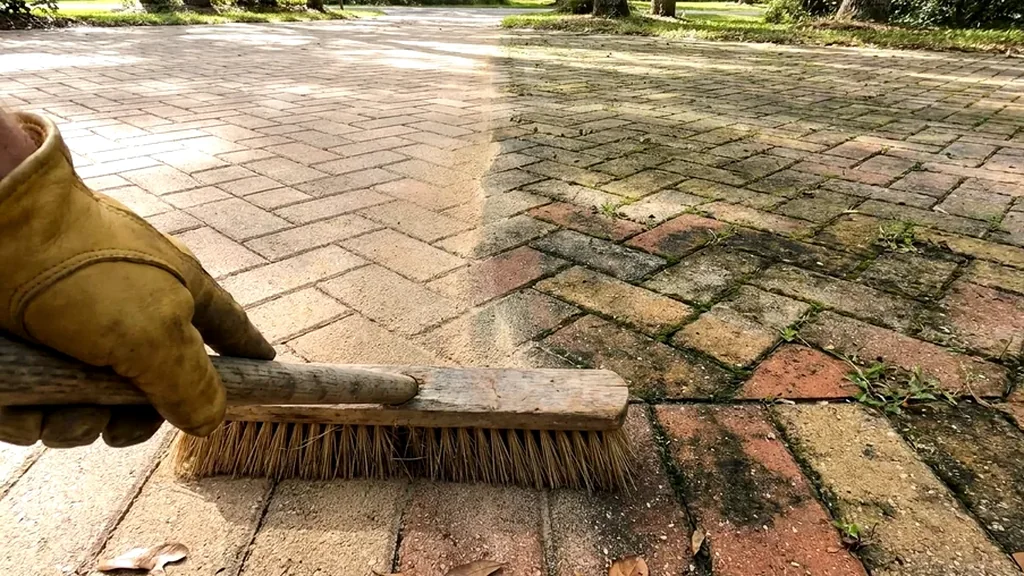
A brick manufacturer warns that sealant should never go over a damp or dirty surface, or over efflorescence, because those conditions get locked in for good. Efflorescence is the white mineral haze that can rise on brick and pavers. The surface must be clean and dry first, and the haze is dealt with before any coat. Brick that looks fine when dry may still hold water inside, which is why drying time matters here more than on a new concrete driveway.
Shade from live oaks and magnolias
San Marco has 14 parks, and several sit under large trees. Landon Park is shaded by magnolias and oaks, and Lillian Davin Park on River Road has live oaks planted in 1985. A Jacksonville paver company says driveways collect tannins from oak leaves. Shade keeps pavers damp, and that is where green film and dark stains start. Under a canopy that thick, expect the shaded side of a walk to need more scrubbing than the sunny side, and plan for stains to return where the leaves fall.
Tight lots and courtyards
Safe Touch, a Jacksonville company, describes this part of town as historic brick, tight lots and courtyards. A Jacksonville cost guide says smaller projects cost more per square foot and that gates and narrow side yards add prep time. Courtyards behind walls may also need gear carried by hand, which adds time that a wide-open driveway never needs. Say how you get in when you ask for a quote. A photo of the gate or the path to the back helps the estimate come out right the first time.
Roots that lift the pavers
Big oaks send roots under walks and drives, and the ground rises. A Jacksonville paver company says sealing locks in whatever is there, so root-lifted or sunken sections are reset on a rebuilt base first. A lifted paver is also a trip hazard, and a sealed one stays lifted. Point out any bumps on your walkway at the estimate. Small lifts can often be reset in the same visit, while larger ones may need a base repair first.
Do San Marco's historic rules affect paver sealing?
They might, depending on your address. The City of Jacksonville requires a Certificate of Appropriateness for exterior work in local historic districts and on landmarks, and it lists driveways as an example. Owners can check an address on the Land Development Map, which tells you what to ask. Then request your free estimate.
San Marco spreads across several areas. Colonial Manor and South Riverside sit within it, St. Nicholas lies just east, and the old Red Bank Plantation House of 1857 stands as the second-oldest residential building still in use in the city. County rolls give the Alexandria Place subdivision a median build year of 1939. Tell the contractor which area you live in when you call (904) 567-0456.
San Marco was planned as a Mediterranean-inspired community with winding streets, planted medians, parks and larger lots. That layout means many properties have deep yards, mature trees and long walks. Pavers there can be old, and the surface might be brick, concrete or stone. The contractor will want to know which, so describe yours, and request your free estimate for a free look with no obligation.
What does paver sealing cost in San Marco?
Cost starts with the published range of $1.75 to $3.25 per square foot, which Northeast Florida companies commonly list for cleaning, sanding and sealing. In San Marco, the material often matters as much as the size. Brick and natural stone are more porous than concrete and need different sealer chemistry, which can change the price. To get a number for your property, request your free estimate.
Prep moves the price more than the sealer. A Northeast Florida paver company says mildew removal, rust treatment or stripping an old film affects price more than the sealer does. Tight courtyards and locked gates add time, and a Jacksonville guide says quotes for one driveway can vary widely. Call (904) 567-0456 and ask each company what it includes, since two prices that look alike may cover different work.
| Paved area | Typical example | Clean, sand and seal |
|---|---|---|
| 300 sq ft | Small patio or walkway | $525 to $975 |
| 600 sq ft | Two car driveway | $1,050 to $1,950 |
| 1,000 sq ft | Large driveway or pool deck | $1,750 to $3,250 |
| 1,500 sq ft | Driveway plus pool deck | $2,625 to $4,875 |
Math based on the $1.75 to $3.25 per square foot that Northeast Florida paver companies publish. Your contractor sets the actual price after seeing the surface. Repairs, leveling and stripping failed sealer are usually extra.
How does a paver sealing job work in San Marco?
Identify the material and the old coat
The contractor first looks at what the surface is: old clay brick, concrete pavers or stone. Each one wants a different product, and mixing them up is how haze and flaking start. Then comes the question of what is on it already. Water-based sealer cannot go over solvent-based sealer, so a past coat must be identified. Sunken or lifted spots near roots are marked for repair. If you know who laid the surface or when, share it, since age changes the plan. A few photos of the worst areas help too.
Wash gently and treat stains
Cleaning takes off green film, oak tannin stains and dirt. On old brick, pressure must be gentle, so the surface and mortar stay intact, and the contractor tests a small area first. Mildew and rust get their own attention, with products chosen for the material. Any white haze is dealt with now, because sealer would lock it in. Rinse water stays off plants and walls, and the contractor keeps pressure under control near mortar and edges. The goal is a clean, even surface with nothing left behind that the sealer would lock in.
Refill the joints
Washing takes out joint sand, so fresh sand is put back before sealing. On a San Marco courtyard with tight corners, this is done by hand, one joint line at a time. The contractor sweeps the surface when the joints are full. Joints that stay low let soil in, and weeds are not far behind. Fresh sand also keeps pavers from shifting, which helps the coat last. The contractor checks the joints again after sweeping.
Let everything dry fully
A Northeast Florida paver company says surfaces should dry 24 to 48 hours after cleaning. Shaded San Marco courtyards can hold moisture longer, and old brick soaks up water like a sponge. The contractor waits, because sealer over damp brick can flake and haze. A rainy week can move the date, and a sunny day after rain is not always enough. Ask the contractor how long the surface needs, and give it the time. Rushing is the usual cause of cloudy results.
Apply the sealer that suits the surface
For old brick, a breathable penetrating product is often the choice. Concrete pavers may take a film-forming sealer, in matte or wet look, applied in even coats. A wet look shows scuffs sooner. Foot traffic is usually fine within a few hours, and a Jacksonville company says cars should stay off about a day. Quoted lifespans run two to five years, and shade or brick can shift where yours lands. Heavy shade and daily use may push you toward the shorter end, so ask the contractor what to expect for your yard.
Complete paver services in San Marco
A San Marco job moves from material check to wash, joint sand, drying and sealing. Each step prepares the next, and none is skipped. Old brick may need a longer dry time than concrete pavers, and a shaded courtyard longer still. To ask how the stages fit your property, call (904) 567-0456.
Courtyards sit in shade and stay damp, front walks near the oaks collect leaf stains, and driveways carry tire marks and oil. Pool decks catch splash. Mention each surface you want done when you request your free estimate.
Sealers come as film-forming types, which sit on the surface and steady the joint sand, and penetrating types, which soak in and leave the look unchanged. Old clay brick often suits the second type. A past solvent coat also rules out a water-based product on top. Call (904) 567-0456 to talk through the choice.
Jacksonville's wet season runs from May to September, with short, heavy downpours, and November to April is the driest stretch. San Marco's trees keep the shaded ground damp even in the dry months. The contractor may want to see the courtyard on a dry day first, since that shows how fast it dries. To set a date, request your free estimate.
Questions to ask before you hire
- How do you handle pavers that stay damp in the morning because of shade and the river air?
- How will I know when the driveway is ready for another coat?
- Will a sealed finish make my steps and pool surround slippery when wet?
- How long should cars stay off the driveway after the last coat?
- Will you walk the property with me first and point out sunken or cracked pavers?
- Do you work around my sprinkler heads and landscape lights?
- What protects my shrubs and flower beds while the sealer is going down?
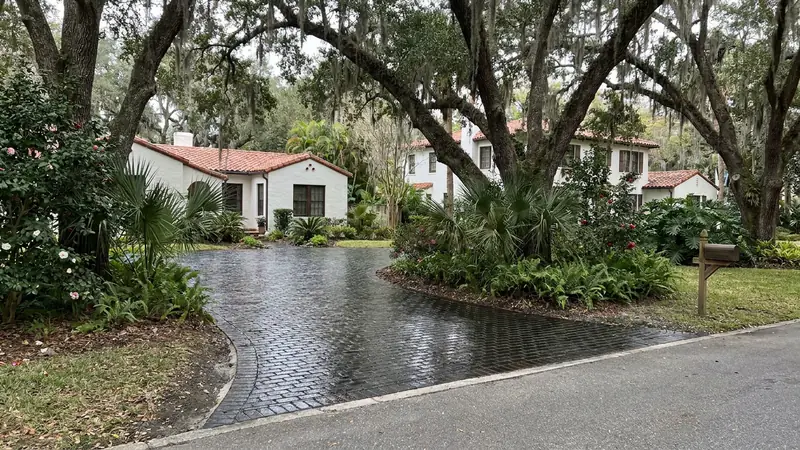
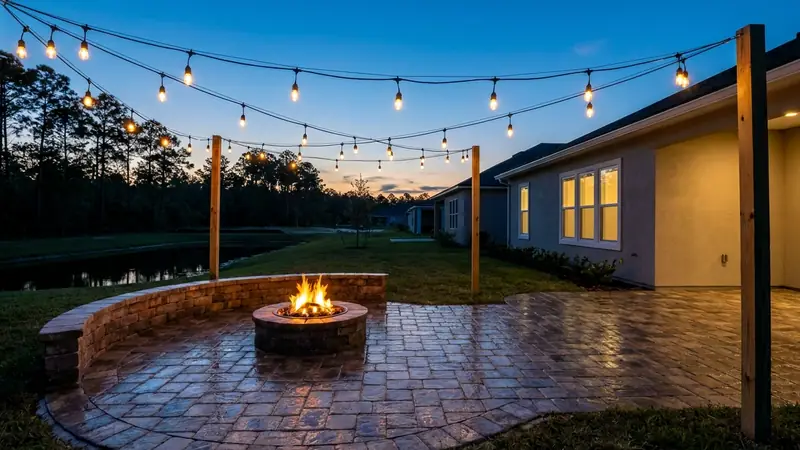
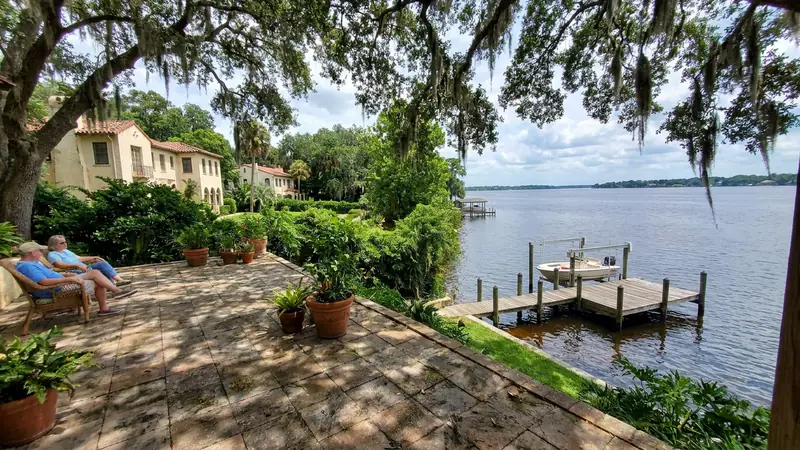
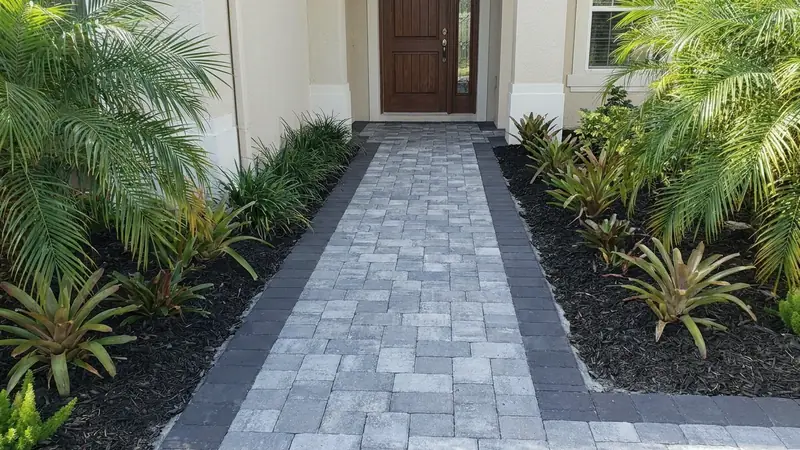
What do sealed pavers look like around San Marco?
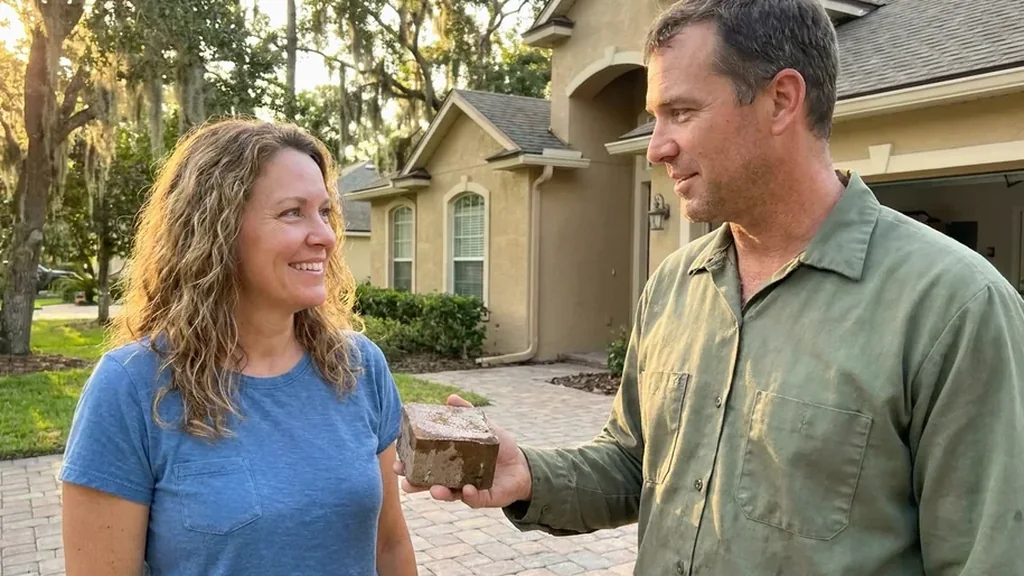
Why local matters in San Marco
A local contractor who has worked San Marco knows its brick, courtyards and oak shade. That helps with the first questions: what is the surface, how old is it and what has been put on it? The answers decide the product. To reach a contractor who works near the Square, call (904) 567-0456.
Historic rules come up often here. The city asks for a Certificate of Appropriateness in historic districts, and a local contractor will know to ask whether your address is one. That saves a trip later and keeps surprises off your schedule. If you are unsure, request your free estimate and mention it up front.
The river matters too, since tides affect the St. Johns far upstream with an especially strong influence near Jacksonville. Where river moisture meets a shaded courtyard, the ground can stay damp for days, so a contractor who knows the neighborhood plans for it. Call (904) 567-0456 to talk about timing.
How did San Marco get its brick and its Mediterranean look?
San Marco broke ground in 1925 on 80 acres of the Villa Alexandria estate, and its 250 lots sold within three hours. The plan called for an Italian Renaissance revival look, but few homes followed it. The San Marco Building of 1927 was the first in the Square, and the San Marco Theatre opened in 1938. If you live near the Square, request your free estimate.
Lake Marco was once a clay pit for the Gamble and Stockton Brick Company, and it became a water feature with a canal to the St. Johns River. Fletcher Park began in 1919 as housing for shipyard workers, with 158 houses designed by Klutho and others. If you live close to the Square or the lake, call (904) 567-0456.
Frequently Asked Questions
What is the average cost to seal pavers in San Marco?
In San Marco, the published range of $1.75 to $3.25 per square foot to clean, sand and seal is the place to start. Brick, stone, tight access and old sealer can push a San Marco job toward the upper end. Ask for the area measured in your quote, and ask whether stripping and joint sand are included.
How much does it cost to seal outdoor pavers like a courtyard or pool deck?
The same published range applies to most outdoor surfaces: $1.75 to $3.25 per square foot. A small courtyard costs more per foot, since prep time does not shrink with the surface. Natural stone and brick are more porous and need different sealer chemistry, so mention the material when you ask.
What are the downsides of sealing pavers in San Marco?
Upkeep is the main one. Sealer wears, and a new coat is needed every few years, which means a small cost comes back around. On old brick, the wrong product can trap moisture and cause flaking and haze. A wet look shows scuffs sooner than matte, so weigh the finish against how you use the space.
What is the average cost to seal pavers in Florida?
Published prices across Northeast Florida run from $1.75 to $3.25 per square foot for cleaning, sanding and sealing. Where you land depends on prep: stripping an old film, treating rust or mildew and replacing joint sand. Two companies can quote different totals for the same courtyard because one includes more prep.
Should I use a penetrating sealer on old clay brick?
Often yes, though the contractor should confirm on your surface. A Northeast Florida paver company says old clay brick needs a breathable penetrating sealer, because a film can trap moisture and cause flaking and white haze. Ask the contractor which product is planned and why, and ask to see a sample on a hidden corner.
Do I need city approval to seal pavers in San Marco?
Only if your address is in a local historic district or is a landmark, and even then many projects are routine. In that case, Jacksonville requires a Certificate of Appropriateness for exterior work, and it names driveways as an example. Check the Land Development Map first.
Why does white haze show up on my brick or pavers?
It is likely efflorescence, a white mineral haze. A brick manufacturer warns that sealant should never go over it, because it would be locked in. The contractor treats it before sealing, so say if you have seen it, especially after rain or on freshly cleaned brick.
How long should I stay off a freshly sealed walkway?
A Jacksonville company says to expect a few hours before walking on it and about a day before driving on it. Weather and the product change that. Ask your contractor for the exact wait.
Nearby areas we serve
Ready for a Free Estimate in San Marco?
Call (904) 567-0456 and tell us about your pavers.
Free, no obligation