
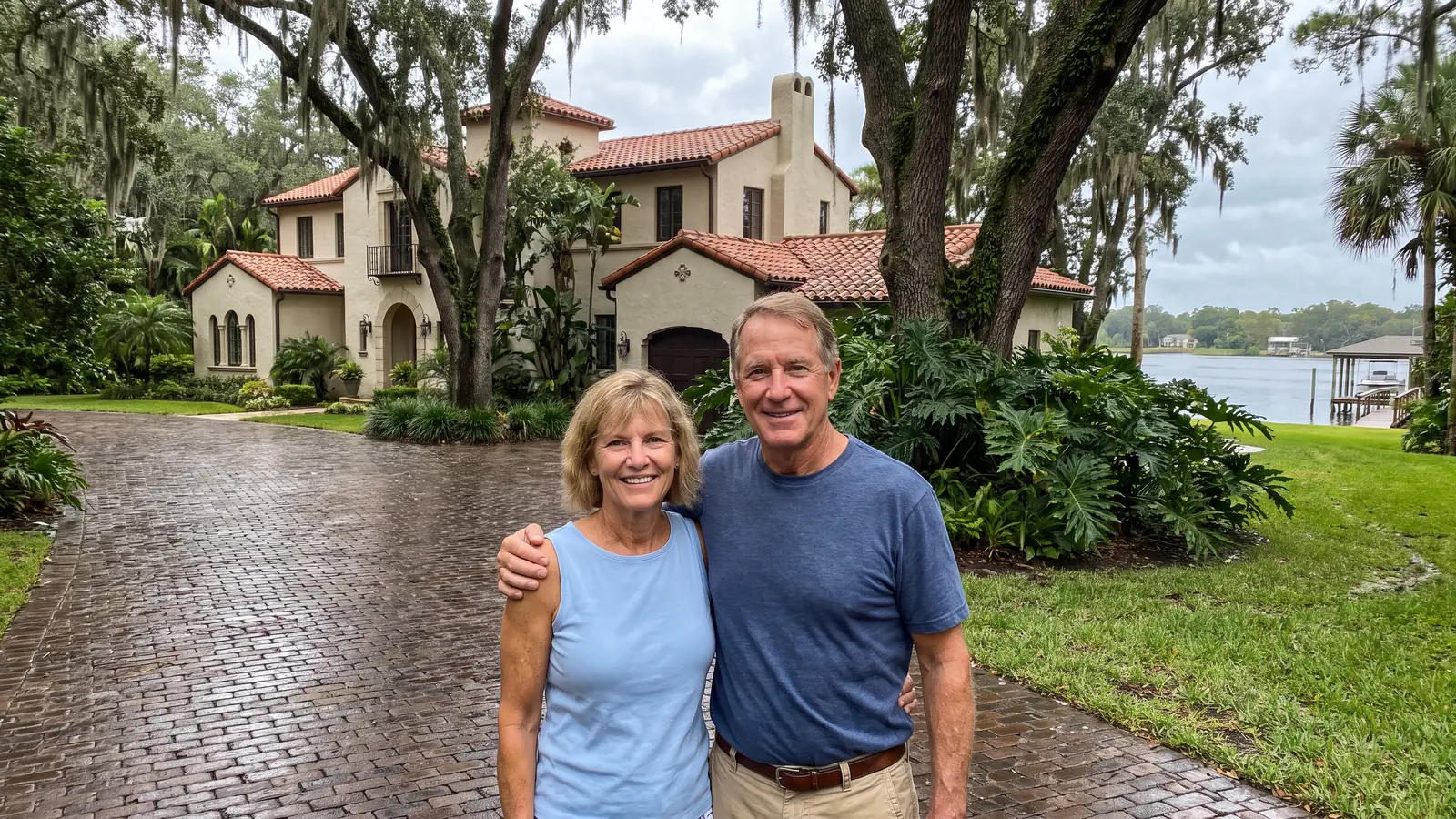
Richer color and joints that hold their sand
Paver Sealing in Ortega, FL
Call (904) 567-0456 for a free estimate to seal driveways, pool decks and patios across Ortega.
- Brings out deeper paver color
- Fresh joint sand helps lock pavers in place
- Gives weeds less room to grow
- Makes the surface easier to keep clean
- Free estimate, no obligation
Request a Free Estimate
Free, no obligation.
Who can seal pavers at my Ortega home?
A local contractor seals pavers all through Ortega, FL, and your request gets an answer within 1 business day, usually much sooner. The estimate is free and you decide whether to book. Begin by phoning (904) 567-0456.
A sealer coat deepens paver color, keeps sand in the joints and lets algae and grime rinse away. Imagine the front walk at the end of a muggy summer, gray along the edges and gritty between the stones, then dark and even again with full joints. Tires and oil punish driveways, splashing and bare feet punish pool decks, so each area calls for its own approach. When you request your free estimate, explain how each one is used.
Paver Sealing Ortega Is Proud to Serve Northeast Florida
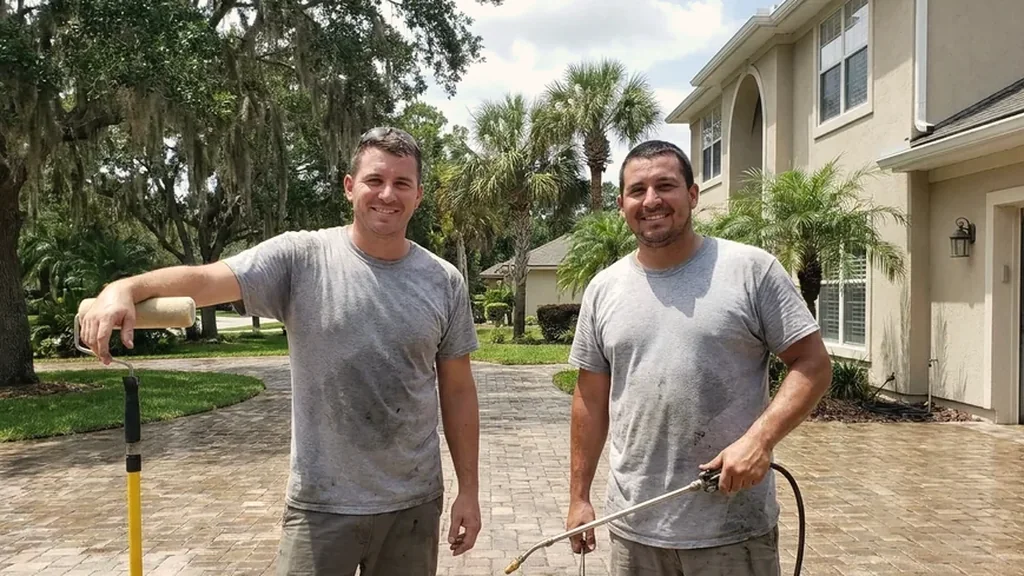
What is included when pavers are sealed in Ortega?
A sealing job has four parts: an inspection, a deep wash, new joint sand and the coat itself. The wash is usually the longest stretch. Want the details for your house? Phone (904) 567-0456.
Inspection
Measurements, sunken spots, cracked pavers, old sealer and pooling water are recorded before a price is named.
Deep wash
Algae, leaf stains, rust and dirt come off with cleaners chosen for the surface and a controlled wash.
Joint sand
Kiln dried sand goes into every gap, which ties the pavers together and crowds out weeds.
Sealer coat
Sealer is applied to fully dry pavers in thin, even passes at the coverage rate printed on the label.
How can I tell my pavers need sealing?
Warning signs: chalky color, joints that sit lower than the paver edges, sand scattered across the drive after a storm and water that sinks in rather than beading. A Northeast Florida company that applies Trident sealers says a surface that stops beading and drinks water quickly is due for a fresh coat. Adding sand sooner costs less than resetting pavers after they shift. Want a quick second opinion? Phone (904) 567-0456.
Which paver sealer works well in Florida humidity?
No product fits every house, so ask which sealer the contractor intends to use and why. One Northeast Florida company works with four finishes, ranging from high gloss wet look to natural matte, plus a penetrating sealer for natural stone. Compare choices for your surface by phoning (904) 567-0456.
Sealers fall into two families. Film-forming products build a layer above the paver, cost more and look wet. Penetrating products soak in, cost less and wear out sooner, according to a regional price guide, which recommends them around pools since a film can turn slick. When you request your free estimate, ask what goes on each area.
Wet look or natural finish: which suits my Ortega home?
Pick wet look when you want deep, rich color that resembles fresh rain. Pick natural matte when you want pavers that still look like they did new. A Northeast Florida paver company calls matte the safest choice near pools and notes that wet look shows wear in the lanes cars follow. Matte can suit a Tudor front or a Craftsman porch. Ask to see both on sample pavers: request your free estimate.
How often should pavers be resealed in Ortega?
A regional price guide says three to five years for most coats, with driveways and pool decks around three and shaded patios around five. A local washing company calls two to three years typical, since open sun, pool chlorine and summer storms use up a coat faster. Yours depends on how much sun and traffic reach each area. Have the current coat inspected by phoning (904) 567-0456.
Will extra coats of sealer protect pavers longer?
No, thicker is not tougher. A Northeast Florida paver company says nearly every call about white, cloudy sealer traces to damp pavers or too heavy an application. One thin, even coat at the label rate is enough. When a quote promises three or four coats for added protection, find out why before you request your free estimate.
When is a good time to seal pavers in Ortega?
Forecasts matter more than calendars. Sealer needs a dry surface and dry weather while it cures, and a Northeast Florida paver company advises waiting 30 to 60 days after new pavers go in so the joints can be sanded properly. Summer storms may delay the date by a few days. Brand new pavers? Mention that when you phone (904) 567-0456.
Shade shifts the timing as well. Pavers under oaks or beside the water can stay wet long after an open driveway has dried, and sealer that meets moisture clouds over. A careful contractor waits for the shady stretches to dry too. Choose a date that fits the forecast: request your free estimate.
Can sealing fix pavers that have sunk or spread apart?
No. A coat of sealer will not raise a sunken paver or close a joint that has opened. A Northeast Florida exterior company says a coat over a settled area only preserves the problem, and that sunken or lifted sections are reset on a rebuilt base first. Ask whether leveling is part of the price or a separate line when you request your free estimate.
Which areas around an Ortega home can be sealed?
A coat can go on the driveway, pool deck, back terrace and front walk. Wear differs from one to the next, so each deserves its own plan. Pick the one that bothers you most and request your free estimate.
Driveways
Tire marks, oil and long afternoon sun hit the driveway before anything else. Sealing here pays off most where cars turn and the joints start to open.
Pool decks and lanais
Splashing and bare feet are hard on pool pavers. Sealing this area has to leave traction in place and should not make the deck slippery.
Terraces beside the water
Back terraces under oaks or next to the river stay damp, gather leaves and grow mildew. They tend to need the longest scrub.
Front walks and entries
Mulch, soil and drips from potted plants land on entry walks. Sealing the front path costs little and it is the first stretch a guest crosses.
What causes paver trouble around Ortega?
Five problems repeat: green film beneath oaks, joint sand lost to storms, rust spots from sprinklers, fading in full sun and sealer that has gone hazy. Early action costs less on every one. Learn which apply to your pavers by phoning (904) 567-0456.
1. Green film beneath the oaks
Landscape Ontario links algae and moss on interlocking pavers to heavy shade and constant damp. Oak canopy creates both on many of Ortega's older streets, and leaves that sit on the surface make it worse.
2. Joint sand lost to storms
A Northeast Florida washing company reports that summer storms flush sand out of driveways and pool decks. With the joints low, pavers wobble and weeds find footing.
3. Rust colored spots from sprinklers
The University of Florida says most Florida well water carries a lot of iron and stains surfaces orange when used to irrigate. Pressure cannot fix rust, so it takes a rust treatment before any sealer.
4. Color fading in open sun
A driveway without shade gets sun from sunup to sundown. A local washing company says that kind of exposure can move a reseal closer to every second year.
5. Hazy or flaking sealer
An area price guide says sealer that has gone white, hazy or flaky must be stripped before the next coat. Applying sealer to damp pavers can also leave a cloudy white finish, which is why dry weather matters.
What does paver sealing cost in Ortega?
Plan on roughly $1.75 to $3.25 per square foot in Ortega to clean, sand and seal, the range one Northeast Florida washing company publishes. Area size shifts the rate, and a regional price guide lists $2.50 to $3.25 below 300 square feet and $1.50 to $2.50 for an 800 to 1,200 square foot driveway. Stripping failed sealer adds $0.75 to $1.50 per square foot and fresh joint sand adds $0.25 to $0.75. To get a figure written for your house, request your free estimate.
Brick sealing runs higher than concrete. The guide explains that brick, travertine and natural stone are more porous and need different sealer chemistry, so prices climb roughly 15 to 30 percent. It also cautions that bids below $1 per square foot almost always mean skipped prep. Compare a quote you already hold with these ranges by phoning (904) 567-0456.
Only want a wash? Read about paver cleaning and joint sand, view every place served or go back to Ortega paver sealing.
| Paved area | Typical example | Clean, sand and seal |
|---|---|---|
| 300 sq ft | Small patio or walkway | $525 to $975 |
| 600 sq ft | Two car driveway | $1,050 to $1,950 |
| 1,000 sq ft | Large driveway or pool deck | $1,750 to $3,250 |
| 1,500 sq ft | Driveway plus pool deck | $2,625 to $4,875 |
Math based on the $1.75 to $3.25 per square foot that Northeast Florida paver companies publish. Your contractor sets the actual price after seeing the surface. Repairs, leveling and stripping failed sealer are usually extra.
Why hire a local contractor for paver sealing in Ortega?
Someone who already works around Ortega plans for oak shade, older brick and stone and the restrictions on certain historic blocks. The price still arrives in writing and the decision stays yours. Begin with a call to (904) 567-0456.
Know the peninsula
A company that works around Ortega is used to heavy oak shade, brick and stone from other eras and blocks with their own rules. Your first visit goes further because of it.
The number costs nothing
Looking at your pavers and writing up a price is free. Dislike the figure and you owe nothing.
Published rates to compare
Companies across Northeast Florida post their per square foot prices, and this site shows what they say. A bid far outside those ranges earns a follow-up question.
Your schedule
Get the price in writing, and take your time before you decide. The contractor standards page lists what to check before you agree to anything.
Ready for a free paver sealing estimate in Ortega?
Phone or send the short form and expect a reply within 1 business day, usually much sooner.
Free, no obligation
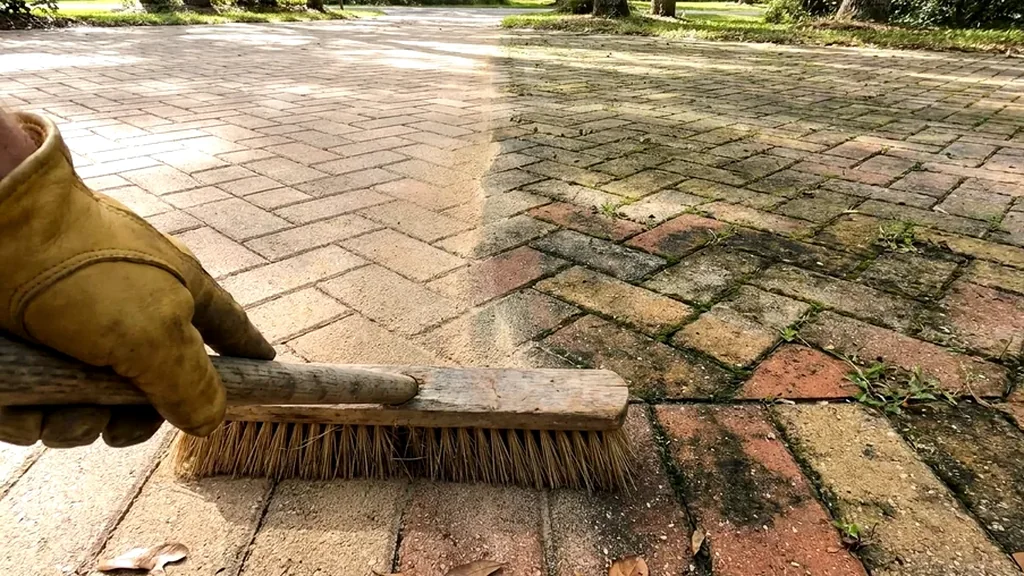
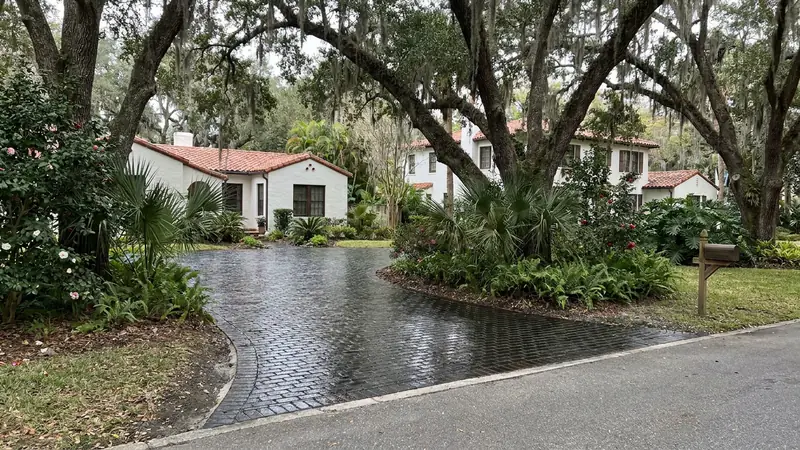
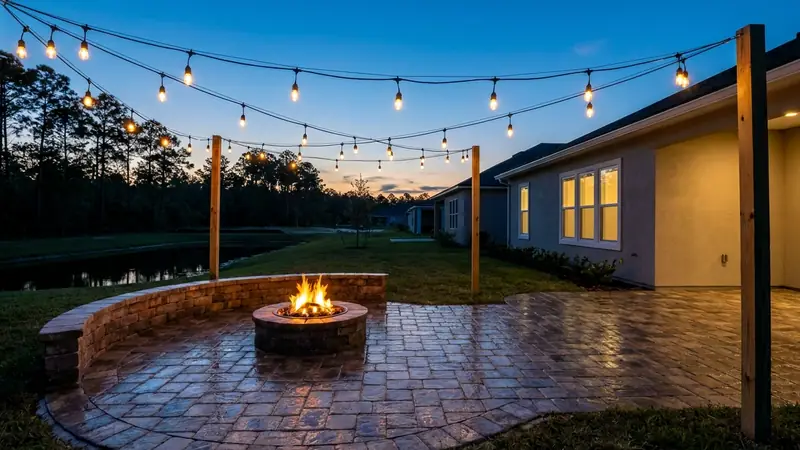
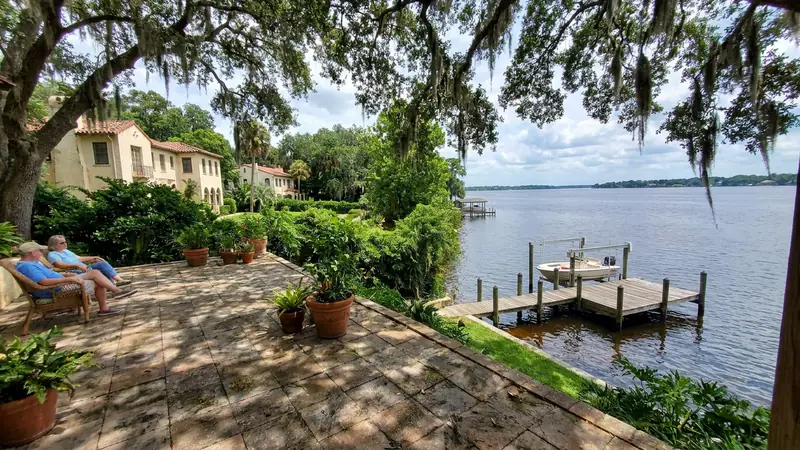
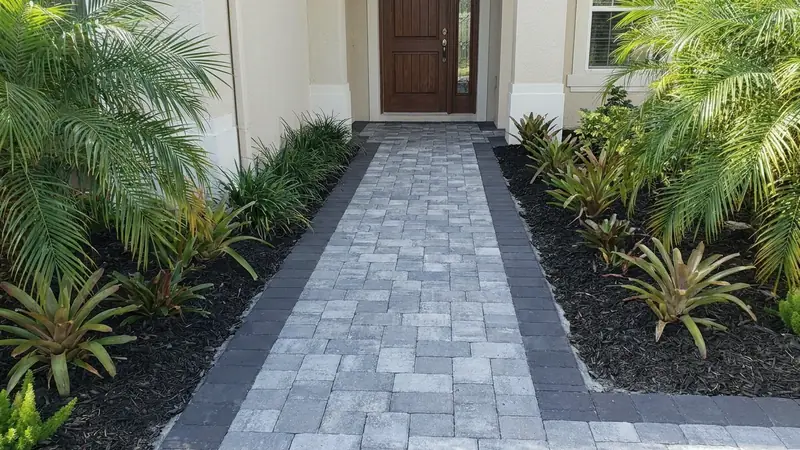
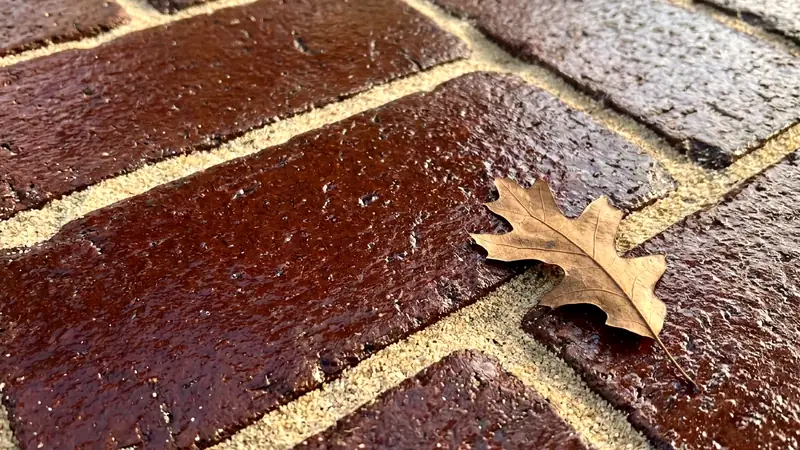
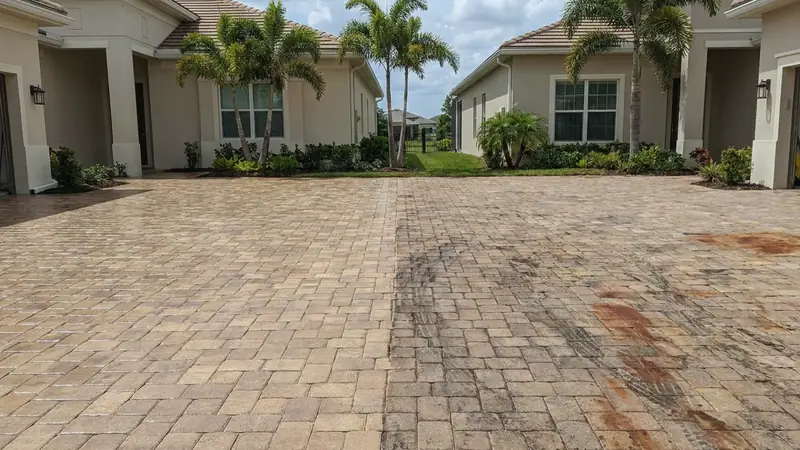
How do Ortega pavers look after a fresh seal?
How does the paver sealing process work from start to finish?
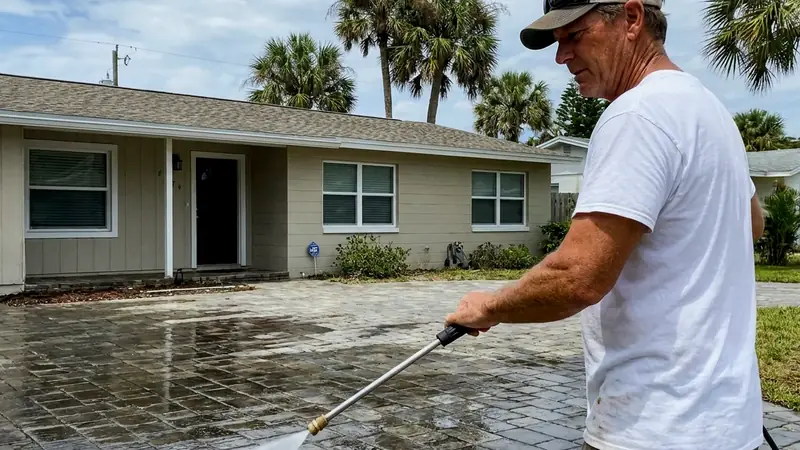
Nearly every job moves through five steps, beginning with an inspection and ending with a review of the finished surface. To reserve a spot on the calendar, phone (904) 567-0456.
1. Measure and inspect
The contractor measures the area for the sealing price and marks dips, cracked pavers, leftover sealer and places where water collects.
2. Cover and wash
Shrubs, screens and the garage door are covered, and the sprinkler timer is switched off. A rotary surface cleaner washes the pavers without scattering the sand between them.
3. Treat each stain
Algae, rust, leaf marks and white salt film each meet a cleaner made for them, tested on a small patch first.
4. Fill the joints
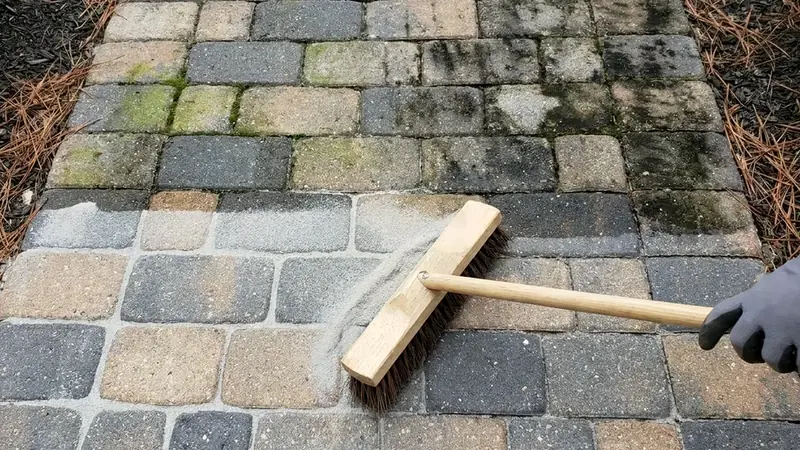
After the pavers dry, kiln dried joint sand is swept across, compacted and added to until the joints are full, and loose grains are blown off.
5. Coat and review
When sealer is part of the job, a pump sprayer lays it down and a roller works it into the joints. Afterward the contractor walks the area with you and gives the waiting time for feet and cars.
Frequently Asked Questions
Why is paver sealing so expensive?
Sealer itself is a minor part of the bill. Washing, stain treatment, new joint sand and drying time make up the bulk, and a Northeast Florida washing company says empty joints or failed sealer stretch the work over two days. A regional price guide tacks on $0.75 to $1.50 per square foot to strip old sealer.
How long do paver sealers last?
Between two and five years. A Northeast Florida company that uses Trident sealers gives that span and ties it to sun, traffic and prep. Open driveways and pool decks land near two years, and shaded paths closer to five.
How much should it cost to seal a paver driveway?
A regional price guide puts a standard two car driveway of 800 to 1,200 square feet at $1.50 to $2.50 per square foot, about $1,500 to $2,800 in all. A local washing company lists $1.75 to $3.25 per square foot for the whole clean, sand and seal. Repairs, stripping and added sand raise either number.
Is it better to spray or roll paver sealer?
Many crews do both. A Northeast Florida paver company says spraying gives even coverage while back-rolling pushes sealer into the joints and prevents puddles. The finished evenness counts for more than the tool.
How often should you reseal pavers in Florida?
A regional price guide says three to five years, with driveways and pool decks nearer three and shaded patios nearer five. A local washing company says two to three years is typical. When water soaks in and darkens the stone instead of beading, the coat is finished.
Which paver sealer is right for Florida?
No single product wins everywhere, so ask the contractor what they plan to use and their reason. One Northeast Florida company works with four finishes, from high gloss wet look to natural matte, and adds a penetrating sealer for natural stone. A regional price guide recommends penetrating products around pools for traction.
Does an Old Ortega home need approval before the pavers are sealed?
That depends on the address. The city requires a Certificate of Appropriateness for site work such as driveways at properties in a local historic district and at designated landmarks. Look up the address on the city's Land Development Map, and ask whether sealing pavers already in place counts.
Will sealing stop algae under my oaks?
It helps but cannot remove shade. Landscape Ontario says algae and moss appear on interlocking pavers in heavily shaded, damp spots and that treatments hold up poorly there. A sealed surface rinses clean more easily, and trimming branches gives the pavers a chance to dry.
How long should I stay off pavers after sealing?
A Northeast Florida exterior company says walking is usually fine after a few hours, while cars need about a day. Sealer type and weather change that, so get the exact time from your contractor and check the product label.
Want your Ortega pavers sealed and looking rich again?
Call or fill in the short form, and a local contractor gets back to you in 1 business day, usually much sooner.
Free, no obligation