
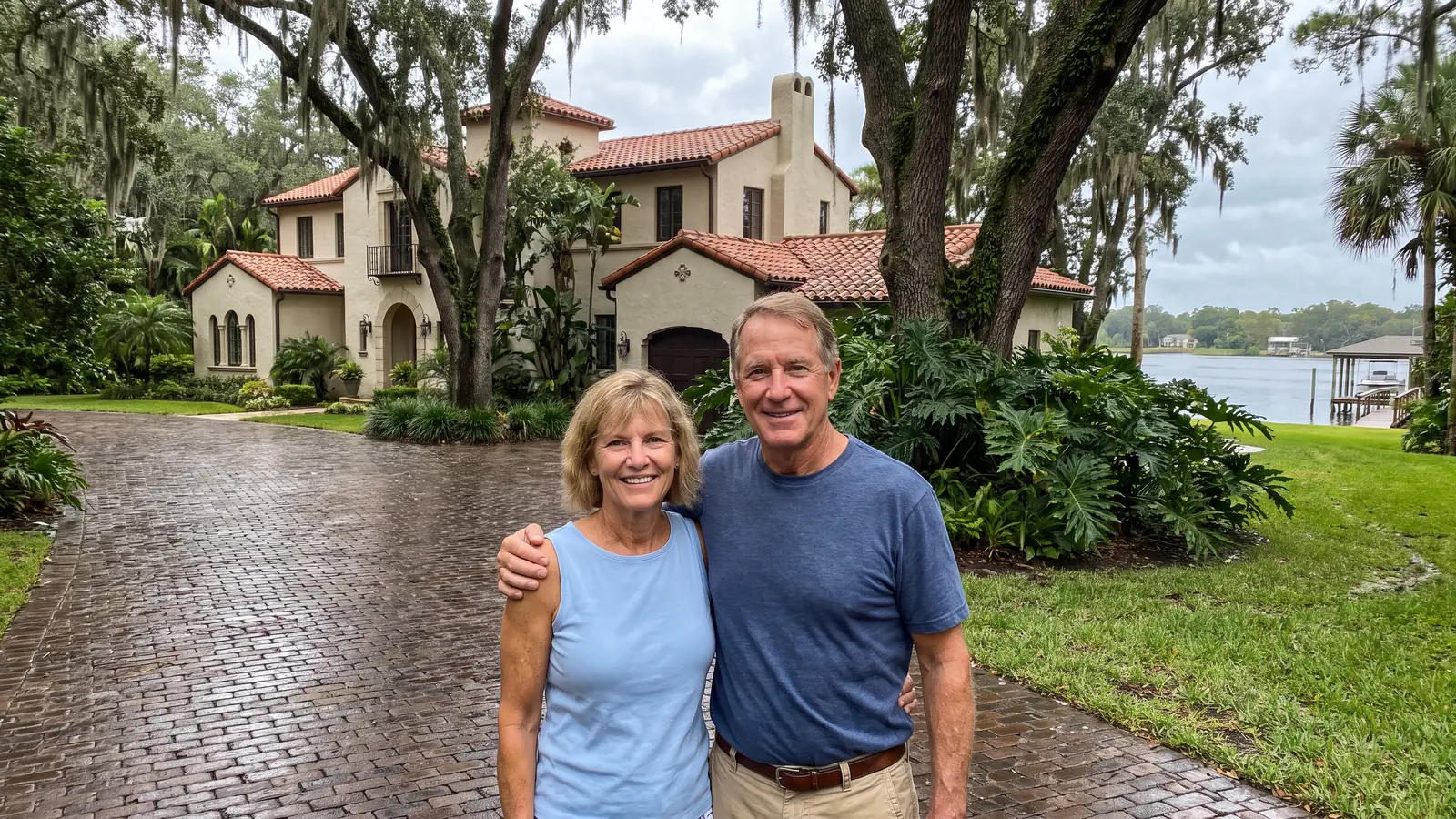
Paver sealing for Whitehouse homes
Paver Sealing in Whitehouse, FL
From Whitehouse Park to the Camp Milton trail, faded pavers can look new again with a free estimate at (904) 567-0456.
- Brings out deeper paver color
- Fresh joint sand helps lock pavers in place
- Gives weeds less room to grow
- Makes the surface easier to keep clean
- Free estimate, no obligation
Request a Free Estimate
Free, no obligation.
Fast, careful paver sealing in Whitehouse
Paver sealing is available in Whitehouse, on the Westside of Jacksonville, and the estimate is free. A local contractor cleans, re-sands and seals driveways, walkways and pool decks across the area. When you request your free estimate, a Whitehouse homeowner hears back within 1 business day, often far sooner.
Picture a driveway that has gone gray and patchy, with grass seed sprouting in the joints and a dip near the garage. A wash, fresh sand and one even coat bring back a single color and a firm edge. To talk first, call (904) 567-0456 and tell the contractor about your pavers. The visit is free, and nothing is decided until you say so.
Most Whitehouse homeowners start with two questions, what it costs and when it can happen. The published range in Northeast Florida is $1.75 to $3.25 per square foot, and the contractor confirms a firm number after measuring. Dates depend on rain, since the pavers must be dry, so request your free estimate and mention how soon you hope to start.
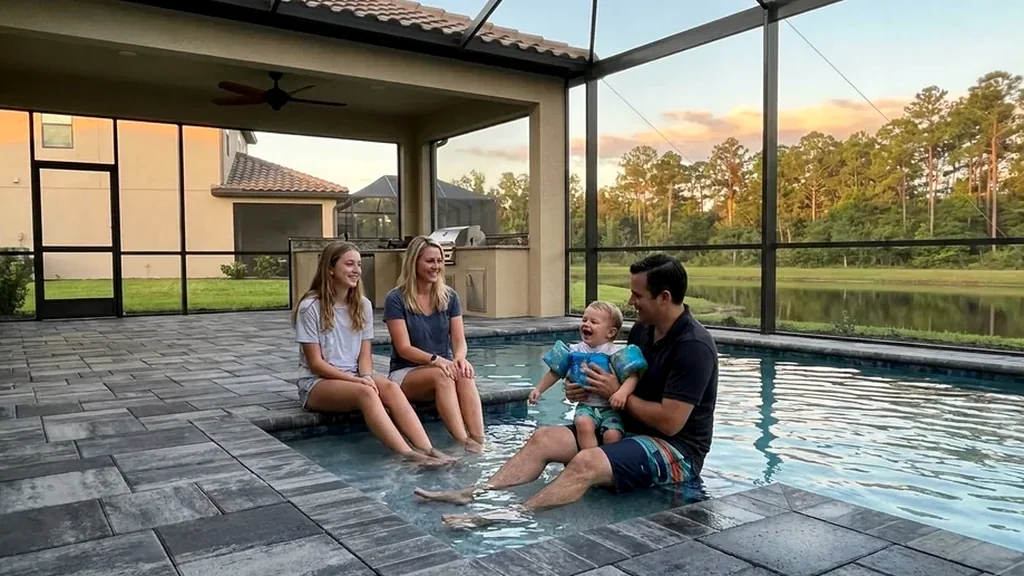
Why hire a local paver sealing contractor in Whitehouse?
Whitehouse sits on flat, sandy Westside ground, so pavers here deal with wet soil, open sun and long runs of driveway. A local contractor plans for those things, and you can request your free estimate to hear how.
A visit before any price
The contractor looks over your Whitehouse driveway and walks, then names a price. Nobody asks you to sign that day.
Bids you can check
Quotes in Northeast Florida run $1.75 to $3.25 per square foot, so a Whitehouse bid far outside that span deserves a question.
Matte or wet look
Matte keeps the natural color. A wet look deepens it, but scuffs show sooner, which counts on a driveway that sees tires daily.
Your date, your call
You pick the day, the finish and whether to go ahead, and any HOA rules stay yours to check.
Get Your Free Estimate in Whitehouse
Tell us about your pavers in Whitehouse.
Free, no obligation
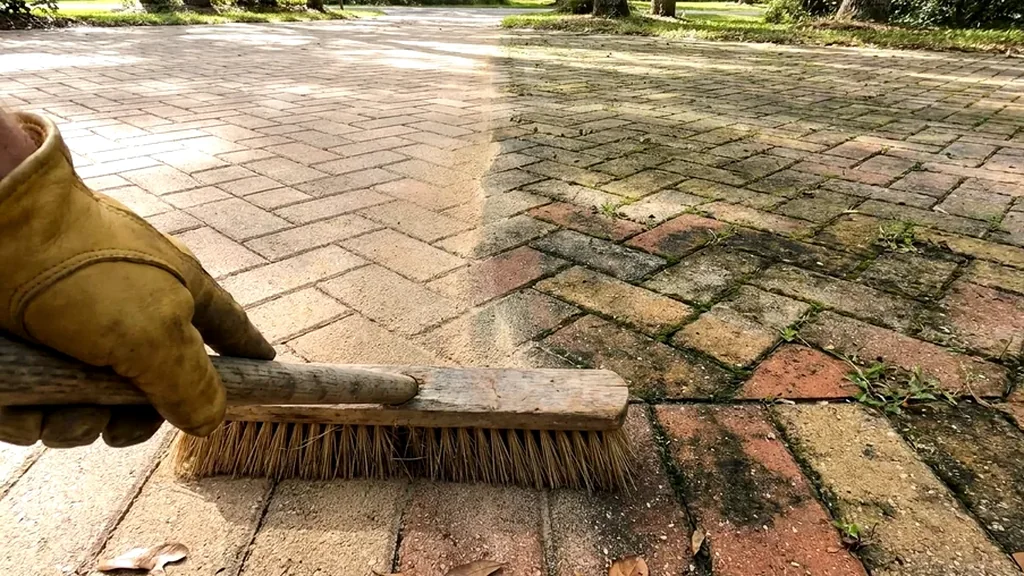
What paver problems show up most in Whitehouse?
Wet, flat ground under the driveway
Whitehouse sits at about 85 feet above sea level on the flat Westside. Nearby flatwoods soils such as the Myakka and Leon series are poorly drained sand, with the water table within 18 inches of the surface for months in many years. Soggy sand under pavers can let them settle and tilt. Sealer preserves a dip as it finds it, which means low spots need to be reset first. Fixing that first keeps the new coat from sealing in a problem that is already moving. Pine flatwoods were the native cover on soils like Myakka, and ground like that is slow to shed water after a heavy summer storm.
Open yards with little shade
ZIP 32220 holds 13,037 people across 38.574 square miles of land, and NeighborhoodScout calls Whitehouse rural by density. Wide lots often mean long, sunny driveways. A Jacksonville company puts a full-sun driveway at a fresh coat about every 18 to 24 months and shaded ground at 24 to 36. Fade tends to show first on the long straight runs. Open land runs through the area, from the 385 acres of Camp Milton to the 17.96 acres of Whitehouse Park, and wide lots leave pavers out in the sun.
Orange streaks near the sprinklers
UF/IFAS says most Florida well water is high in iron and that orange stains often show up where it is used for irrigation. If your Whitehouse yard waters from a well, look for rust lines where the spray lands on pavers. The contractor treats those marks first, since a coat would seal them in. Aiming the heads off the pavers helps keep new ones away. A paver sealing company adds that irrigation water can leave rust stains, so check where the spray lands at the pavers' edge.
Grass and weeds creeping into joints
Lost joint sand widens the gaps, lets soil in and gives weeds a place to start. In a Whitehouse yard with lawn grass right at the edge, seed finds those gaps easily. Sealer steadies joint sand and so limits washout and weeds, a Northeast Florida company says. That only works if the joints are full when the coat goes on. Pulling weeds by hand is a short fix, so the lasting answer is full joints under a fresh coat. Safe Touch says empty joints raise the price, which is why a refill is built into every quote.
A coat you cannot identify
NeighborhoodScout says many Whitehouse homes went up between 1970 and 1999, so pavers added later may carry a coat nobody wrote down. A solvent-based coat already on your Whitehouse pavers rules out a water-based product on top. Pavers sealed earlier with an oil-based product must be stripped first, a Jacksonville company warns, so the old product sets the plan. Ask a neighbor, a prior owner or the closing papers, since any detail helps. Venture Paver Sealing First Coast offers tinting to refresh paver color or add a new shade, so ask what a tint would do over a coat of unknown type.
Does paver sealing in Whitehouse work the same in a newer subdivision as on an older acre lot?
Mostly yes, with a few differences. Whitehouse is rural by density, and its homes are mainly single-family houses and mobile homes, many built from 1970 to 1999. A newer driveway may have fresh pavers with no sealer at all, while an older yard may hold a coat of unknown type. Mention roughly when your house went up when you request your free estimate.
A realty guide lists Old Plank Plantation, Wellhouse Estates, Jax Farms and Panther Creek as communities near Whitehouse. Names like these suggest a mix of lot sizes under one ZIP code that covers 38.574 square miles. A short driveway in a subdivision is a quick job, while a long drive on acreage takes more time. Call (904) 567-0456 and name your community so the contractor can picture the lot.
Some of these communities may have an HOA and others may not. Under Florida law, an association can judge a change only by what its declaration or published guidelines say or reasonably imply. A Southside paver page notes that a natural-look sealer may count as routine upkeep, and that a color-enhancing or glossy finish is more likely to need sign-off. Read your own rules first, then request your free estimate with the finish you have in mind.
What does paver sealing cost in Whitehouse?
Quotes posted across Northeast Florida for the wash, sand and sealer land between $1.75 and $3.25 a square foot. Bigger jobs spread setup over more surface, so they cost less per foot, a Jacksonville cost guide explains; small ones cost more. A long Whitehouse driveway adds surface, so the rate may ease. To price your own pavers, request your free estimate.
Failed old sealer, empty joints and stains push a quote toward the top of the range, and one company says a strip-and-reseal costs more when the old coat has failed. Tight side yards and gates add setup time. An open Whitehouse yard with easy truck access tends to need less of it. Call (904) 567-0456, and the contractor can sort out which of these fit your yard before a start date is set.
| Paved area | Typical example | Clean, sand and seal |
|---|---|---|
| 300 sq ft | Small patio or walkway | $525 to $975 |
| 600 sq ft | Two car driveway | $1,050 to $1,950 |
| 1,000 sq ft | Large driveway or pool deck | $1,750 to $3,250 |
| 1,500 sq ft | Driveway plus pool deck | $2,625 to $4,875 |
Math based on the $1.75 to $3.25 per square foot that Northeast Florida paver companies publish. Your contractor sets the actual price after seeing the surface. Repairs, leveling and stripping failed sealer are usually extra.
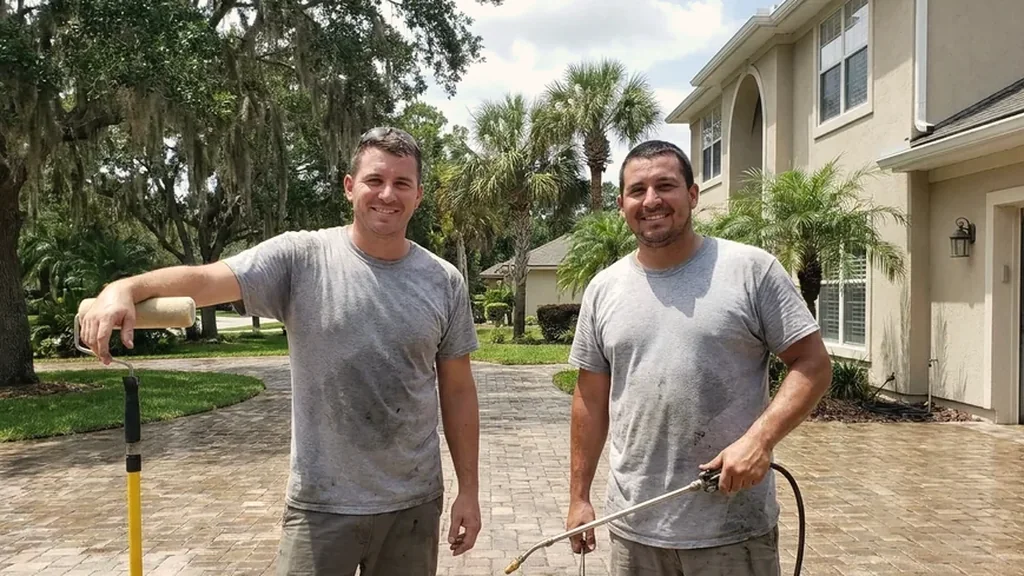
How does a paver sealing job work in Whitehouse?
Size up the lot and the old coat
The contractor walks the Whitehouse property and checks where water drains and where the pavers have dropped. On flat, sandy ground, low spots often sit near the garage or the street. Sunken or lifted sections get reset first, since sealing over a dip only keeps it. If the pavers were sealed before, the contractor works out which product it was. Photos of any tilted or sunken spots help the contractor plan the visit. The visit ends with a measured price, so you know the number before any work is agreed. The contractor also notes whether the pavers are new, since one Jacksonville company advises waiting 30 to 60 days after installation before a first coat.
Gentle cleaning that spares the joints
Dirt, grass stains and algae come off next. PaverGuard, a Jacksonville company, says harsh high-pressure washing can loosen joints, wear the surface and dislodge sand. Oil drips and rust marks get pre-treated, and some deep stains will not come out completely. That honest limit is worth hearing before sealing, because sealer locks in whatever is left. Grass clippings and leaf stains from a wide Whitehouse lawn come off at the same time. One Jacksonville company says many oil and rust marks lighten a lot after pre-treatment, though some deep stains will not come out completely.
Packing fresh sand into the gaps
Washing pulls out joint sand, so the contractor puts it back and compacts it before any sealer. Sandy Whitehouse ground and summer downpours already work against full joints. Tight joints keep soil from washing in and weeds from rooting. If your joints have been open for years, expect this stage to use more sand and more time. Fine sand is swept in until each joint is tight, and the extra is brushed off the surface. Compacting matters, because loose sand washes out again in the first hard summer rain. A Titanium page says its joint sand comes in six colors, so ask whether the sand can match your pavers.
Waiting out the damp
Sealer needs a dry surface. Surebond's bulletin asks for a day of drying after cleaning or rain, then a dry day after the coat. Jacksonville rain comes mostly from May to September in short, hard storms. A contractor watches the sky and moves the day rather than coat damp pavers. Shady edges and low corners can stay wet longer than the middle of the driveway, so the contractor checks those spots first. A dry stretch in the fall is the easiest time to get this right. Never seal right before a forecast downpour, one Jacksonville company says, so a gray sky can move the day.
Applying the coat and letting it cure
The sealer is sprayed and then back-rolled so it reaches into the joints. You pick matte or wet look, and the wet look scuffs more visibly. Feet are fine within hours and cars should wait about a day, a Jacksonville company says. Whitehouse quotes for the gap before the next coat usually run two to five years. Ask about the product name and keep it, since the next coat should match. Films that sit on top, such as acrylics, hold joint sand in place, which keeps the work from washing out. A cloudy white look on a coat usually traces to damp pavers or too thick a layer, a Jacksonville company says.
Complete paver services in Whitehouse
A Whitehouse job runs in four steps: wash, re-sand, dry and seal. Sealing goes last so that nothing dirty is locked underneath. Each step has its own timing, and open yards help with drying, though a shaded corner may need extra hours. To ask how long each one would take on your lot, call (904) 567-0456.
Driveways take tires, oil drips and the most sun, so they tend to wear first. Walkways and patios see lighter traffic and often keep their color longer. One First Coast company says summer storms pull sand out of pool decks, and a Whitehouse yard has room for sprinklers to hit them. Tell the contractor which surfaces you have when you request your free estimate.
Sealers come in two main kinds. Film-forming acrylics form a layer that steadies joint sand, a trade supplier explains, and penetrating sealers sink in without changing the look. A wet look deepens color, and a matte finish keeps it natural. To talk through which fits your Whitehouse home and any HOA rules, call (904) 567-0456.
Timing matters in Duval County. Rain falls mostly from May to September, and the driest months run from November to April. One First Coast company names fall as its preferred season because it is drier, which gives pavers time to dry after washing and to cure after the coat. For a date that suits your Whitehouse street, request your free estimate.
Questions to ask before you hire
- How do you handle pavers that stay damp in the morning because of shade and the river air?
- Can the joints be refilled where roots or settling have left gaps?
- What protects my shrubs and flower beds while the sealer is going down?
- Can you seal the pavers near my pool cage without getting sealer on the screens?
- How will I know when the driveway is ready for another coat?
- Do you work around my sprinkler heads and landscape lights?
- Will a sealed finish make my steps and pool surround slippery when wet?
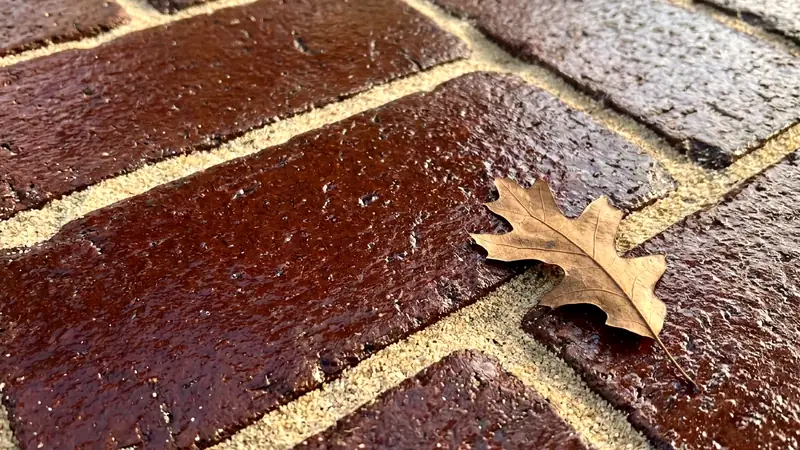
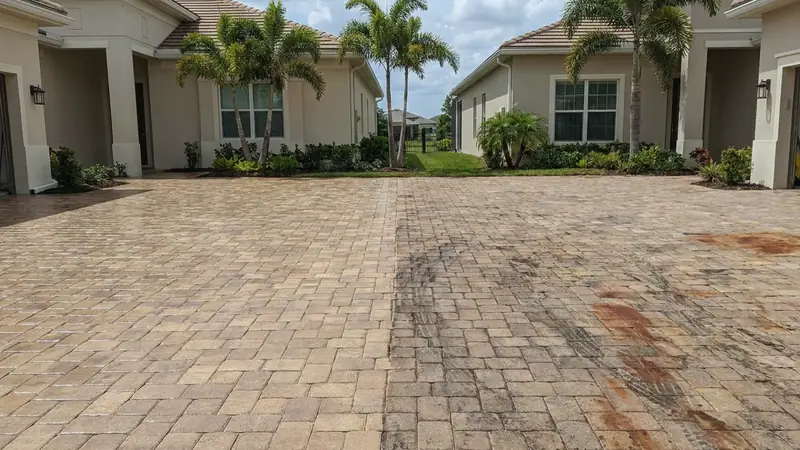
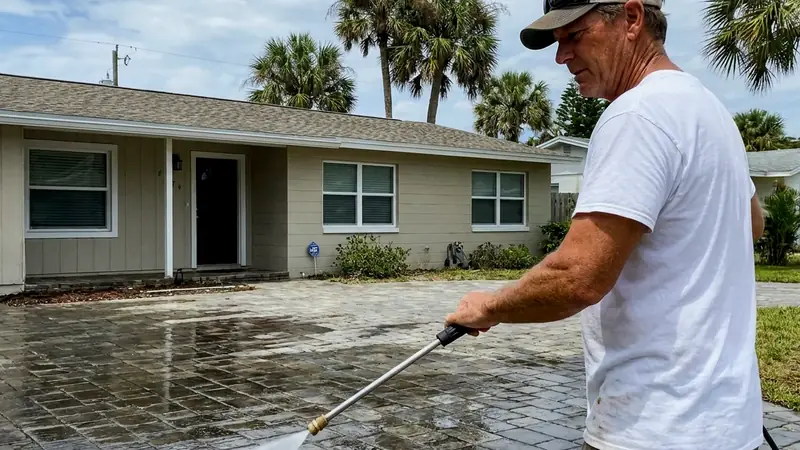
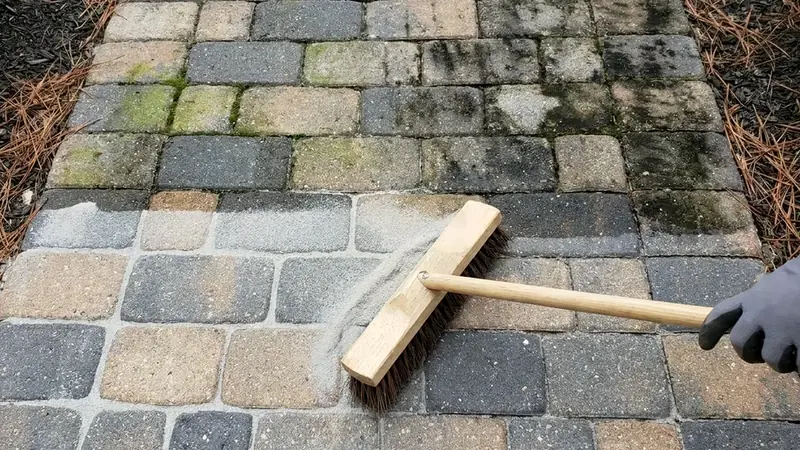
What do sealed pavers look like around Whitehouse?
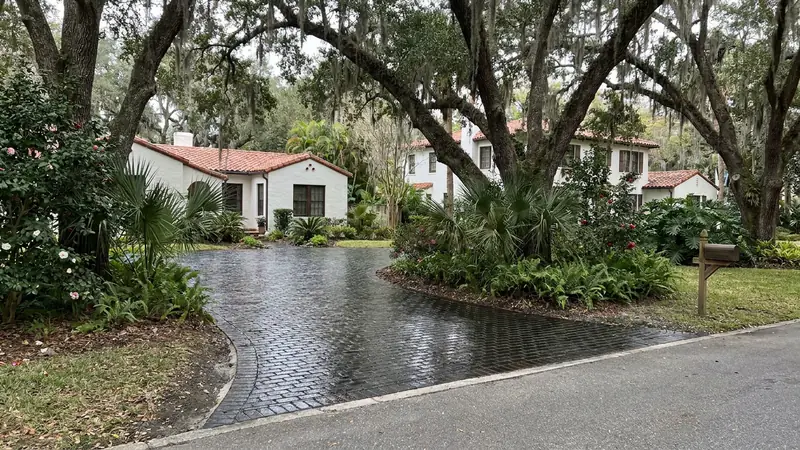
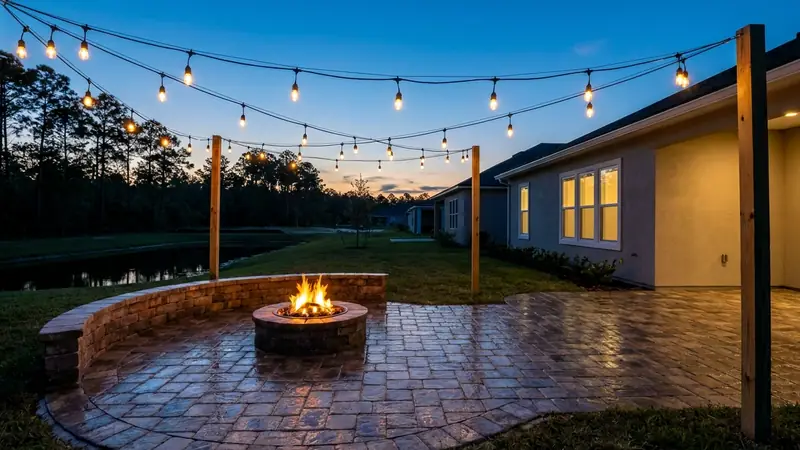
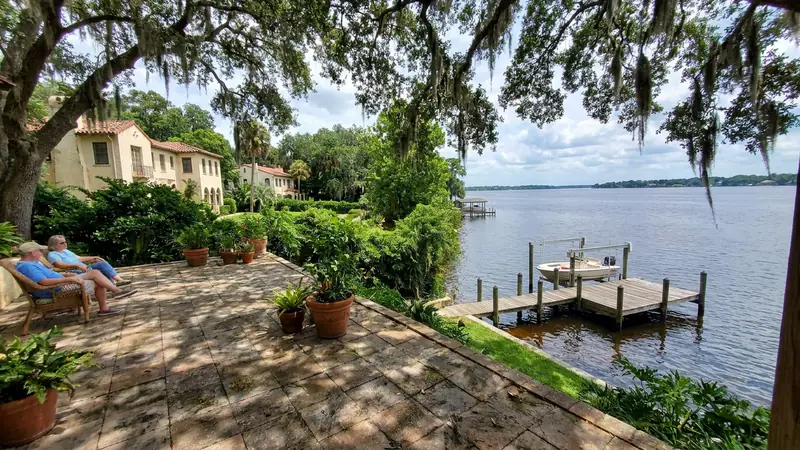
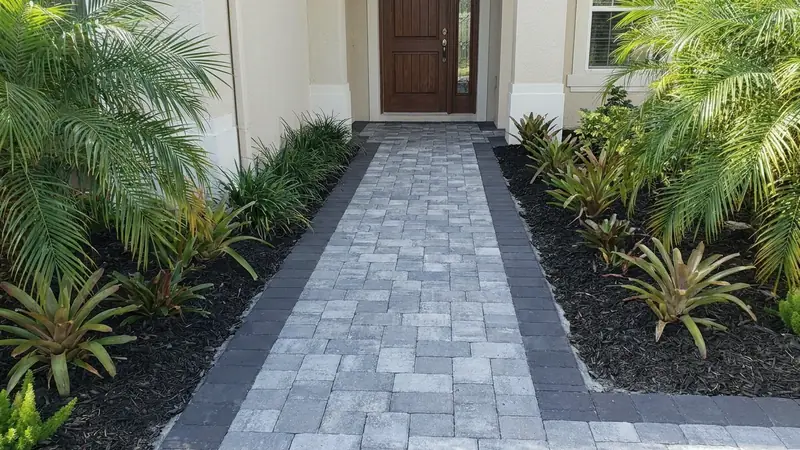
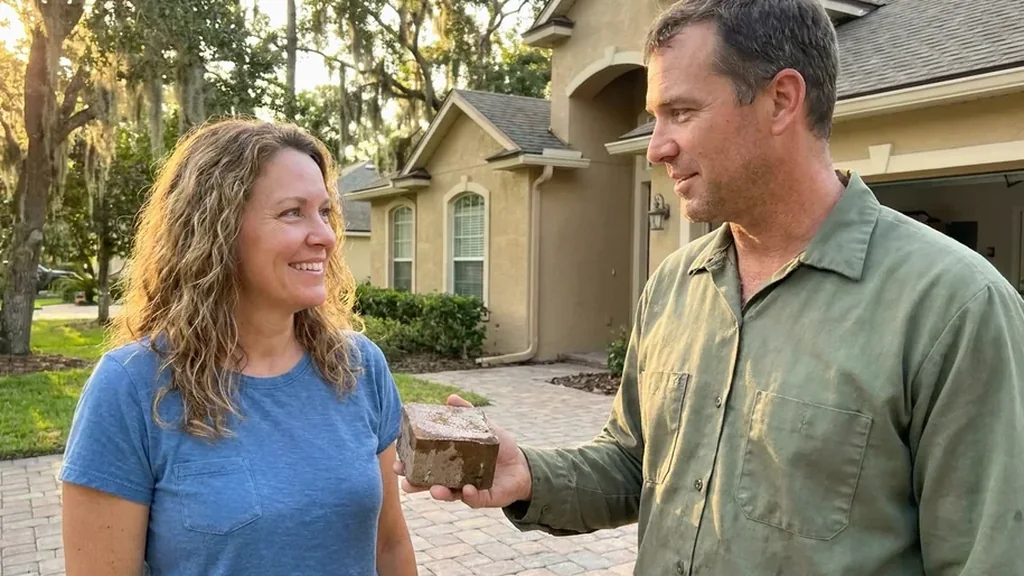
Why local matters in Whitehouse
A contractor who works the Westside knows that a Whitehouse lot is not a beachside lot or a downtown courtyard. Ground is flat, sand is loose and yards are wide. Those facts shape how many hours a driveway takes. For a contractor who works around Whitehouse, call (904) 567-0456.
Local habits help with the calendar too. Summer storms arrive fast and soak the sandy soil, and fall is drier. A crew that works the area keeps a flexible schedule and moves a day instead of sealing damp pavers. When you request your free estimate, ask how a Whitehouse date gets chosen.
Access is another local detail. Wide lots may mean a long haul from the truck to a back patio, and a gated or fenced yard adds setup time. A contractor who has seen these layouts asks about them early. Send a note about your gate, your sprinklers and your driveway length, and request your free estimate.
Which Whitehouse landmarks might sit near my street?
Camp Milton Historic Preserve is a landmark at 1225 Halsema Road North. Three miles of earth and timber works went up along McGirts Creek in early 1864, and the preserve opened to the public in 2006. The 15-mile Jacksonville-Baldwin Trail passes through it. If you live near the preserve and want a free estimate, request your free estimate.
Whitehouse Park at 11100 General Avenue covers 17.96 acres with lighted ball fields and courts, beside Whitehouse Elementary, which opened in 1926. The old Naval Air Station Cecil Field once held about 2,500 acres at Outlying Landing Field Whitehouse, and the former base is now the Cecil Commerce Center. If one of these places is close to your driveway, call (904) 567-0456 and give the street name.
Frequently Asked Questions
What does it cost to clean and seal pavers around Whitehouse?
A typical quote runs $1.75 to $3.25 per square foot for the wash, new sand and sealer, going by what Northeast Florida companies post. A Whitehouse job moves within that range with size, old sealer, joint sand and stains. Get the measured area written on the quote so bids line up. Safe Touch's Jacksonville page lists the Westside, ZIP 32220 included, among the areas it serves.
Is it good to seal a Whitehouse driveway in Florida?
Yes, for most driveways and patios, because sealer stabilizes joint sand and slows fade. A Jacksonville company reports that sealing concrete pavers cuts UV fade, joint washout and mildew. The cost is upkeep, because every coat wears down and has to be redone. Sun fades unsealed concrete pavers noticeably within three to five years, one company says.
How long will a sealer last on Whitehouse pavers?
Most Whitehouse quotes put the next coat two to five years out. Sunny driveways run about 18 to 24 months and shaded walkways 24 to 36, according to a Jacksonville company. Open Whitehouse yards lean toward the shorter end. Film-forming wet-look and semi-gloss coats need renewing every three to five years, and penetrating ones last five to seven.
How often should Whitehouse pavers be sealed in Florida?
Most companies say every two to five years, depending on sun, traffic and the product. Film-forming wet-look sealers are quoted at three to five years, and penetrating sealers at five to seven. Water that stops beading and soaks in is a sign it is time. Driveways wear faster than patios, the same company adds.
Can pavers be sealed right after rain in Whitehouse?
No, pavers must be dry before sealer goes on. A sealer maker's bulletin calls for 24 hours of drying after rain or washing. Sealing damp pavers can leave a cloudy white film, so the contractor will move the date when the forecast turns. Sealer laid on damp pavers can also turn cloudy.
Do I need HOA approval to seal pavers in Whitehouse?
Only if your community has an HOA with rules that cover it. Check your own paperwork to be sure. A natural-look finish is more likely to count as routine upkeep, and a gloss or color change may need approval. Florida's HOA statute lets an association enforce looks only as far as its published rules say or imply.
How soon can I walk or drive on sealed pavers in Whitehouse?
On a Whitehouse driveway, feet can go back on after a few hours, while cars wait about a day. The numbers come from a Jacksonville company, which notes they depend on the sealer and the weather. Ask the contractor for the exact wait on the product being used. Stay off the surface until the contractor says it has cured.
Can new sealer go over an old coat on my Whitehouse driveway?
Sometimes. A water-based product will not go over a solvent-based one, and an old oil-based coat has to be stripped first. The contractor tests or asks what is on the surface before choosing. Old receipts or product names from a previous owner can settle the question quickly. Ask which product was used last time, and keep the name for the next coat.
Ready for a Free Estimate in Whitehouse?
Call (904) 567-0456 and tell us about your pavers.
Free, no obligation